
What to do first when you get engaged: a wedding planning checklist
If you've just got engaged, the short version is this: work out how you want the day to go, sort out your budget, set up how you'll plan it together, then look at venues, and book the suppliers who have a very particular style before they're gone. After that, plan the day itself with more breathing space than seems necessary.
That's the order I'd do things in, and the reasons are the part that matters. As a wedding photographer, I’ve seen which early decisions make the day easier and which ones quietly cause problems later on, so each step has the thinking behind it.
Decide upon the feel of the day
Begin to work out your budget
Set up how you'll plan it together
Look into wedding insurance
Visit venues and ask all the questions
Research suppliers and get contracts
Book the suppliers with a very specific style early - including your photographer
Plan the flow of the day - and call on your suppliers for pointers
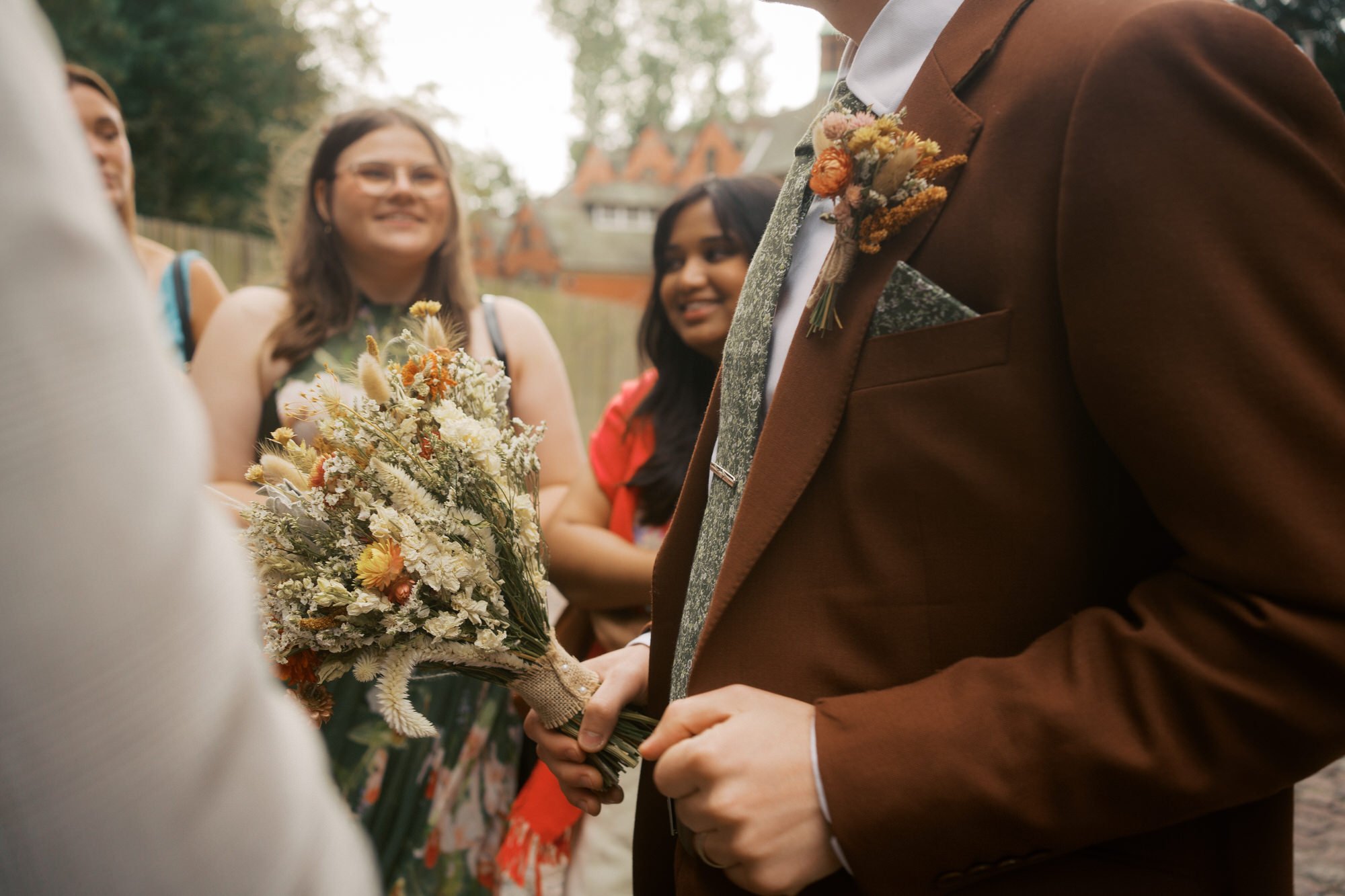
Start with deciding how the day should feel, it’s not about looks
Before venues, dates or budgets, it's worth working out what sort of day you'd actually like to have. Not what it should look like, but how it should feel. A long, loose afternoon with a barbecue, where everyone drifts between the garden and the bar is a different day from a formal sit-down meal with speeches and a first dance, and neither is better, they just suit different people — and there’s nothing to stop you doing both.
This is harder than it sounds, because most of us start planning by scrolling. Pinterest boards and TikTok feeds are full of weddings that look wonderful, and they're a fair place to find ideas, but they show a few seconds of someone else's day, usually at its best, in conditions you can't copy. It's easy to end up planning a wedding that looks like a lot of other weddings, which is a shame, because the trend will have moved on by the time your photographs are on the wall.
Try asking a plainer question instead: what would we enjoy? Do we want everyone there, or a small selection of close friends and family? Would we rather talk to everyone, or let them enjoy themselves? Would you want to be dancing at midnight, or tucked up in bed? The honest answers are usually more specific, and more useful, than anything on a mood board.
It also does real work further down this list. The feel of the day points you towards a season, or at least a part of the year, and towards a style of venue, and both of those affect your budget and how many guests you can sensibly invite.
Work out the budget before you fall for a venue
It's tempting to look at venues first, because that's the fun part, but the budget decides which ones are realistic, and it's much kinder to find that out before you've fallen for somewhere.
The obvious costs are the ones everyone remembers: the venue, the catering, the photographer, the dress or suit. It's the quiet items that catch people out, the smaller bits that don't feel like wedding costs until the invoice arrives. This list isn't exhaustive, and your day will have things on it that mine doesn't, but it's a good place to start.
The venue and the food
Venue hire
Catering
Drinks
Additional evening food
Corkage or venue charges
Furniture or additional hire
The ceremony
Ceremony fees for civil ceremonies
Celebrant or registrar costs
Church fees
Bell ringers and choirs for church weddings
Wedding rings
The suppliers and the styling
Photography
Videography
Entertainment
Florals
Cake
Décor and styling
Stationery
Postage
What you wear
Dress and alterations
Suit
Shoes
Hair and make-up
Beauty treatments
Wedding party outfits, including bridesmaids, groomsmen, family, kids…
Getting people there and looking after them
Transport - especially between locations
Accommodation
Supplier travel or accommodation
The evening/day/week before if you’re bringing guests from afar, or having a destination wedding
And the rest
Gifts
VAT, where applicable
Not every wedding will have all of these, and plenty won't. The point isn't to frighten yourselves, it's to get the real shape of the day onto one page before you commit to anything. A spreadsheet is ideal, a notebook is fine (keep it beside the bed for when something pops into your head at 11pm).
Set up how you'll plan it together
Before the planning properly begins, it's worth deciding how you're going to do it, because a long list of decisions is much easier to carry if it has a routine.
Pick a regular time each week and use it for the wedding, and nothing else. An hour on a weeknight or a slot on a Sunday morning, whatever suits you both, but the same time every week, so that it stops nagging at you in between. Use it to go through the budget, reply to suppliers and make whichever decisions are waiting, and then leave it alone until next week. My advice — Wed-min Wednesday, it gives any suppliers you contact two days to reply before their chaotic weekends.
Set up a dedicated wedding email address as well, and make sure you both have access to it. Both of you, so it isn't left to one. Otherwise one of you becomes the keeper of every quote, contract and date, the other has to keep asking, and nothing can be found when that person is away. A shared address keeps wedding admin out of your personal inboxes, puts everything in one place, and means either of you can answer a supplier.
While we’re on the topic of both — planning a wedding isn’t a one-person gig. Share out the work. Decide who’s finding photographers, and who’s researching florals, then come back the follow week with what you’ve found. Can you tell I was a project manager in a previous life?
If it starts to get on top of you, share the load. A lot of your friends and family are waiting to get involved. If they’re good at something, and happy to be asked, they can take a whole job off your hands. Be clear what you're handing over and when you need it done. And if it's all getting on top of you anyway, consider a wedding planner. They can take a great deal of the load, and they also solve the problem of who actually runs the day, which comes up again below.
Look into wedding insurance early
Wedding insurance matters as soon as you start booking things, because that's when you start paying deposits and committing money.
I'm a photographer and not an insurance adviser, so I won't tell you which policy to buy. What I would say is that you shouldn't assume your venue's insurance, or your suppliers' insurance, covers you. Theirs is theirs, and it may well not help you if something goes wrong, so it's worth finding out properly instead of relying on it.
Read what a policy actually covers, and check the specifics, such as cancellation, a supplier failing to turn up, and problems with the venue, along with whatever the exclusions are. It's dull reading, and better done in the first few weeks than the last few.
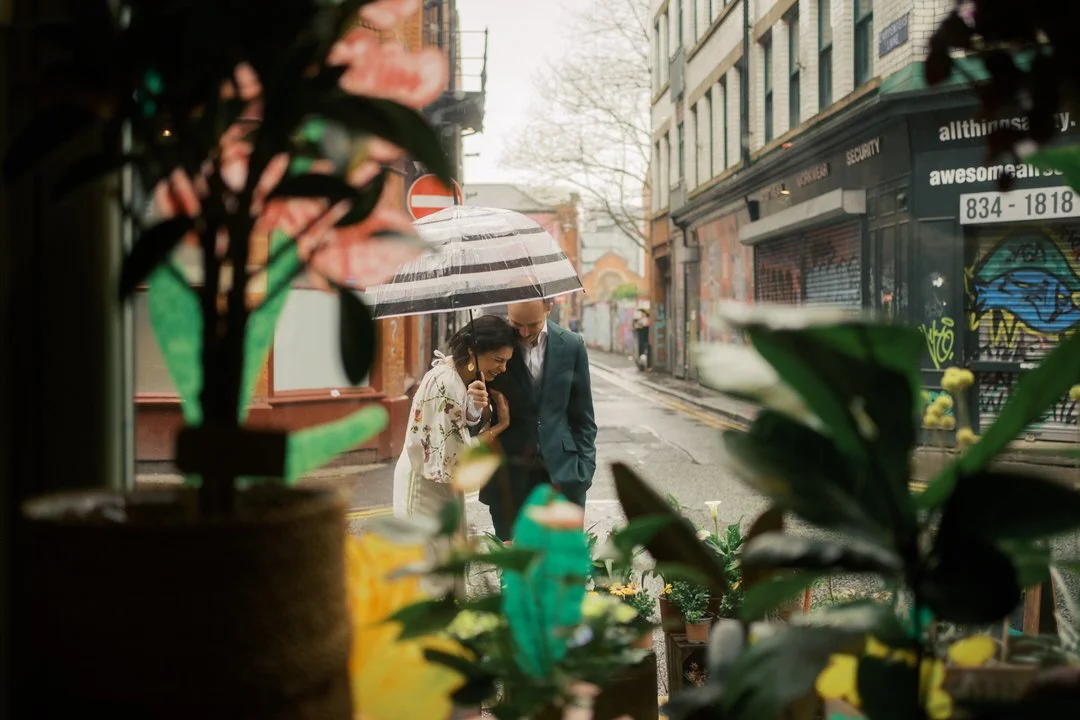
Ask venues the deeper questions
So it’s time to visit some venues. This is where it gets exciting, and nerve-wracking at the same time.
Read about venues before you visit them. I've written about some and you can find them here [Guides venue category page, if it works in Squarespace]. Check reviews, look at other suppliers who’ve worked there (Instagram location tags or a Google search can help), and see if the look matches the feel you established earlier.
When you do visit, remember that the brochure answers the easy questions. Here’s a few to thing about that dig a little deeper, they’re not glamourous, but they’re real things to consider.
Where will the sun be, and what happens if it rains?
Ask where the sun will be at the time of your ceremony and your portraits. It affects where you stand, where your guests sit, and whether anyone's squinting into it, and the venue will usually know, because they've seen the light there at that time of year. It’s particularly important later in the season when days are short and the sun is low.
Ask what the wet weather plan really is. Not the line on the website, but the practical answer: where does the ceremony move to, when is that decided and how quickly does it move, how many people fit, and where do the group photos and portraits usually happen in the rain? A good plan B is a very good thing to have, and a vague one is worth knowing about before you book — your photographer can help with wet weather planning, just ask.
Who actually runs the day?
Ask who coordinates the day, and what that involves in practice. The answer can be very different from one venue to the next, and "we have a coordinator" might mean someone who's with you from the first drink to the last dance, ensures your guests are where they should be, and keeps your suppliers questions and any on-the-day issues away from your enjoyment, or it could mean someone who unlocks the doors and makes sure the lights are on.
It matters more than it sounds. Somebody needs to be keeping an eye on the schedule, telling people where to be, and nudging things along when they drift, and without a planner or coordinator, photographers end up herding guests and reminding people of the plan instead of photographing. It's a job in its own right. If your venue doesn't provide this, it's worth thinking about a planner or coordinator, or at the very least a calm, organised friend who doesn't mind being a bit bossy for the afternoon.
Music and entertainment at the venue
If you're having live music or a DJ, there’s a few questions worth asking to avoid disappointment later down the line. These are small questions with big consequences, and you can answer most of them in a five-minute conversation on a venue visit:
Where will the band set up?
Is there enough space?
Is there a power supply?
Is amplification allowed?
Are there any sound restrictions - and has the council issues any informal or formal notices?
What time can music be played until?
Can they play outside?
Where can they load in and unload?
Is there somewhere for instruments and equipment to be stored?
Treat recommended supplier lists as a starting point
Most venues have a list of recommended suppliers, and it's a sensible thing for them to offer.
It's worth asking, though, how suppliers get onto the list, because there are a number of ways, and they aren't all about quality. Some of the common ‘not-so-quality-aligned’ routes are:
Paying a yearly fee
Paying commission
Having a commercial relationship with the venue
Being personal friends of the owners or planners
Regularly providing marketing imagery
Having worked at the venue for years
None of those is wrong in itself, and none of them makes someone a poor supplier. They just aren't the same thing as being right for you. The answers you'd hope to hear are:
Consistently providing excellent service
Having values and an approach that genuinely align with couples
If a venue can tell you plainly how its list works, I'd take that as a good sign. Either way, recommended doesn't mean right for you, so use the list as somewhere to start looking, not somewhere to stop.
Research suppliers properly, and always get a contract
Look beyond social media. An Instagram feed is a very good shop window, but it's only a window, and a supplier's own website, their reviews and their recent work will tell you much more. Photographers, videographers, and almost anyone creative has a style which evolves over time, so recent matters, because you're booking who they are now and not who they were five years ago.
Whoever you book, get a contract from every one of them. It keeps everyone clear on what's to be done, and if anything is agreed verbally, follow it up in writing so there's no room for it to be remembered differently later. Your insurance may want to see documents too, should anything unfortunate happen.
Go and meet suppliers in person
A wedding fair is one of the best ways to find suppliers outside the venue's list and away from social media, and it's worth picking the right one. Look for fairs that match how you want your day to feel, not just the biggest or the nearest. If you've decided on a small, relaxed day, you'll get far more from a fair full of suppliers who work that way than from one aimed at a very different kind of wedding.
When you get there, the real benefit is seeing people and their work in front of you. You can look through a full album instead of a handful of highlights, ask the questions from this guide, and get a feel for whether you'd like spending the day with them, which is hard to judge from a website. Take your budget list and a notebook, and use your shared wedding email address when you hand over your details, so that every quote and follow-up lands somewhere you can both see it.
You don't need to book anyone on the day. A fair is for finding out who you'd like to speak to again.
Choosing a photographer
I'm obviously biased on this one, so I'll stick to the things I'd tell you whoever you book. There's a fuller guide to choosing your wedding photographer coming soon.
Love the work, and ask if you'll love it later
Do you love their work? That's the obvious question, and the less obvious one is whether you'll still love it later. It’s great to timestamp your wedding, but trends fade, and photographs that look exactly of the moment this year can look very dated in ten, so it's worth asking whether you like their pictures for what they are, or only for what's fashionable.
Look at their approach as well as their pictures
Your wedding isn't a photoshoot. You should be able to enjoy the day, and leave the photography and videography to the people you've chosen, which means their approach matters as much as their pictures. Think about how you'd feel with them around for hours.
If you're nervous about being photographed, say so when you get in touch. It's more common than you'd think, and it's the main group of people I photograph, every one of them nervous about it. A good photographer will want to know.
Experience at your venue isn't important
People often ask whether a photographer has shot at their venue before, and it's an understandable question, but it isn't a helpful one. What decides how your photographs turn out is the photographer's work and the way they approach a day, and both come with them wherever they go. While it’s helpful to know where all the good spots for photos at a venue are, approaching somewhere new with fresh eyes and without a pre-conceived list can be just as good.
Ask about their peak season
Ask how many weddings they shoot in peak season, and in particular how many in a week, back to back. It isn't a trick question, and plenty of photographers manage it well, but it's worth knowing. It's also worth asking yourself whether they’ll actually know you on the day and whether they'll still remember you in a few weeks when they’re selecting and editing your gallery. A photographer with a limited number of weddings each year will often deliver a more personal service than those who are back-to-back from April to October.
If you're booking a team, find out who's shooting
Teams can be excellent, but find out exactly who will be photographing your wedding and look at that person's work, not only the work of whoever you spoke to. It's sometimes a different photographer on the day from the one you met, and you want to know that before you pay a deposit.
It's also reasonable to ask how many weddings the business takes on in a year and who is contracted to do what. A few years ago, a well-publicised case saw a business take on a very large number of bookings, pass the work on to other photographers, and then go bankrupt, leaving couples without refunds and, in some cases, without their photographs. It's the exception, but it's a reminder that if a business has taken on far more dates than one or two people could shoot, or a price looks low for the work involved, it's fair to ask how that works.
Do you like them?
The big one. You also need to like your photogapher and get on with them. Ten hours is ten hours, and for much of it your photographer is part of your day, so if you'd rather not spend an afternoon with them, that tells you something.
What to book sooner than you'd think
A photographer can be booked quite late in the process, and plenty of couples do, but the risk is that the photographer whose style you love is already taken. It's better to get in early, and it's easier than it sounds, because your date can be secured with a deposit and a contract, often payable by card.
The same goes for live musicians, and good ones go quickly. It applies to videographers and venue stylists too, and really to anyone with a very specific style. If you'd be disappointed to lose them, book them, or at the very least get an enquiry on their desk, and then spend your energy on the things that can wait.
Plan the flow of the day
Speaking of when to do things, start to think early on about what will happen when on your day. When people will eat, whether speeches come before or after the meal, and how room turnarounds might delay things. You'll need someone to keep things on schedule, and your photographer's experience can help you make sure the day feels seamless. If you book me, we have a planning call a few weeks before the wedding, with a timeline questionnaire beforehand, and this is exactly what it's for. You can also ask me for advice whenever you need it, from the moment you book. Here’s a few tips to keep you going for now though.
Allow more time than feels necessary
A common problem is simply not having enough time, often because most things take longer than anyone expects - particularly when it involves a group of people. Confetti, for example, takes around a minute once everyone is lined up, but lining up can take fifteen. Plan time for people to move from one part of the day to the next, and then add a little more.
Leave time for your guests to chat, too. They're catching up with people they're connected to through you, some they may not have seen for a while, and you don't need to fill every minute of their day with something to do. Guests are remarkably good at keeping themselves busy if there’s something to drink and a bite to eat.
You need time to just be, as well, to speak to each other after the ceremony and take a breath. I use portrait time for this, having a stroll and a sit, usually about fifteen minutes after the ceremony and another fifteen later on, but it's nice to have it scheduled in alongside photos.
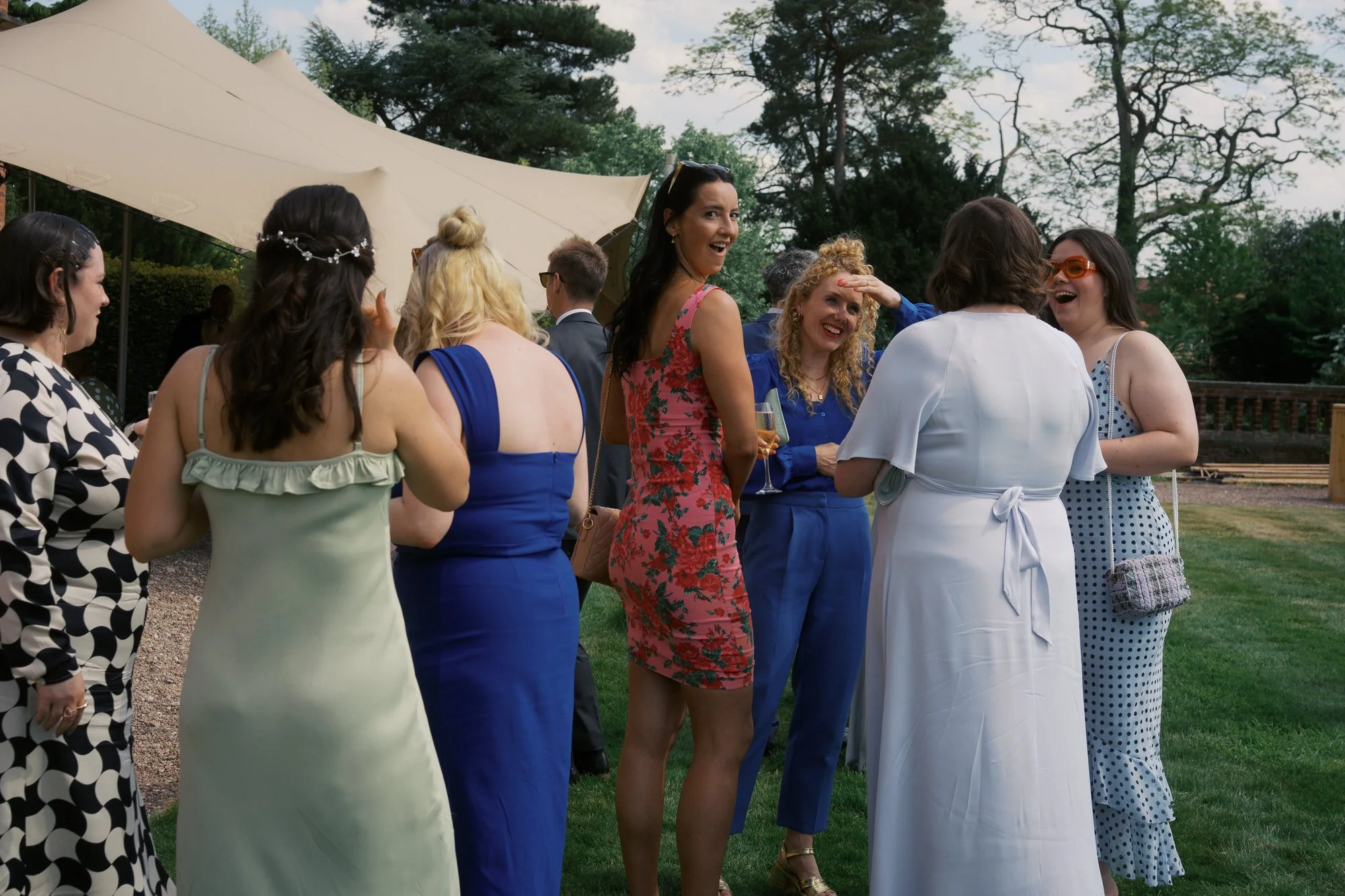
Don't forget everyone else
While you're busy with portraits or family photographs, what is everyone else doing? It's easy to plan for the two of you and your wedding party and forget the rest of the room. An open bar and somewhere to stand and chat is all they need, but make sure there's someone to direct them and get things started, otherwise you end up with a crowd watching your family stand in a row.
Keep group photos short
While we’re on groups — you don't need every combination. Four to six groups is the most I'd suggest, and I usually aim for around five. Group photos are quick when everyone is there, and they drag when they aren't, and the longer they go on the more they're a time sponge that is often better spent on candid photographs of people being themselves at your drinks reception.
There's more in my [guide to wedding group photos, link].
Speeches: practise, limit, spread
Speech length varies, so ask your speakers to practise and aim to keep to a time, otherwise the food sits waiting. It's also worth being clear on the number of speeches, or spreading them out through the timeline — think speeches between courses. Guests, children especially, can become distracted and bored even with the best of speeches, and a few at different points can be easier on everyone than a long run of them in one go.
You don't have to follow convention
You'll hear a lot of "but you have to" when you're planning a wedding, about the cake, the first dance, the bouquet toss, the order of the day, your dress, your guest list. You don't have to. Keep what you like, drop what you don't, and make up something new where nothing fits.
Where to go next
If you'd like to see how all of this plays out on real days, there are more wedding stories over here. When you're ready to start looking at photographers, choosing your wedding photographer, is coming soon and will cover what to ask. And if you'd like to talk about your own day, you can see how I work you can find out more about my pricing, packages and approach here.
